The number is dry, but it says everything: 181.8%. That is how much insolvency filings against Romanian agricultural companies grew in Q1 2026 compared with the same period a year earlier. According to the Infinexa analysis, it is the worst structural imbalance the sector has recorded in 30 years.
These are not subsistence farms. They are 31 companies with a combined turnover of roughly €336M and 953 employees on payroll when they filed, several of them former local champions. In a country where agriculture employs over 20% of the workforce, the highest share in the EU, each filing means hundreds of families losing their main income.
What actually broke in the long chain
Infinexa points to four pressures hitting at once: margin compression in grain trading, the exit of major international traders, short-term financing that does not fit a long farming cycle (inputs are paid 6 to 9 months before harvest), and the familiar squeeze between prices and costs. The backdrop is older: of the final food price, the Romanian farmer often keeps only 1 leu out of 7, as in the Galați cucumber case documented by Agrointel in 2024. The rest is absorbed by processing, logistics and retail.
On the sell side, the pressure comes from a very concentrated retail market: the top 5 chains control around 65% of Romania's modern trade. When you negotiate with five buyers for a market of millions of consumers, the farm-gate price stops being a negotiation.
| Indicator | Value |
|---|---|
| Agro companies filing (Q1 2026) | 31 |
| Change vs. Q1 2025 | +181.8% |
| Combined turnover | about €336M |
| Employees at filing | 953 |
| Full-year 2025 agri cases | 44 |
| 2025 cumulated fixed assets | €115.2M |
| Agri share of all 2025 insolvencies | 9.6% |
| Agri share of Romanian GDP | under 5% |
“Romanian agriculture is going through an extremely difficult period. Margin compression in grain trading, the exit of major players, short-term financing instruments inadequate to the business model, and pressure from continuously rising costs simultaneously weigh on companies that a few years ago were experiencing sustained growth. The case of Grup Șerban Holding illustrates a systemic problem.”
Adrian Lotrean, Founder of Infinexa
The Grup Șerban signal
Grup Șerban Holding, one of the largest listed agri-food operators on the Bucharest Stock Exchange, has become the face of this crisis. In April 2026 its subsidiary Interagroaliment filed for insolvency. If a vertically integrated group with production, processing and distribution cannot absorb the pressure, smaller players have even fewer options. And they are the majority: 92% of Romanian farms are under 5 hectares.
What this means for shoppers
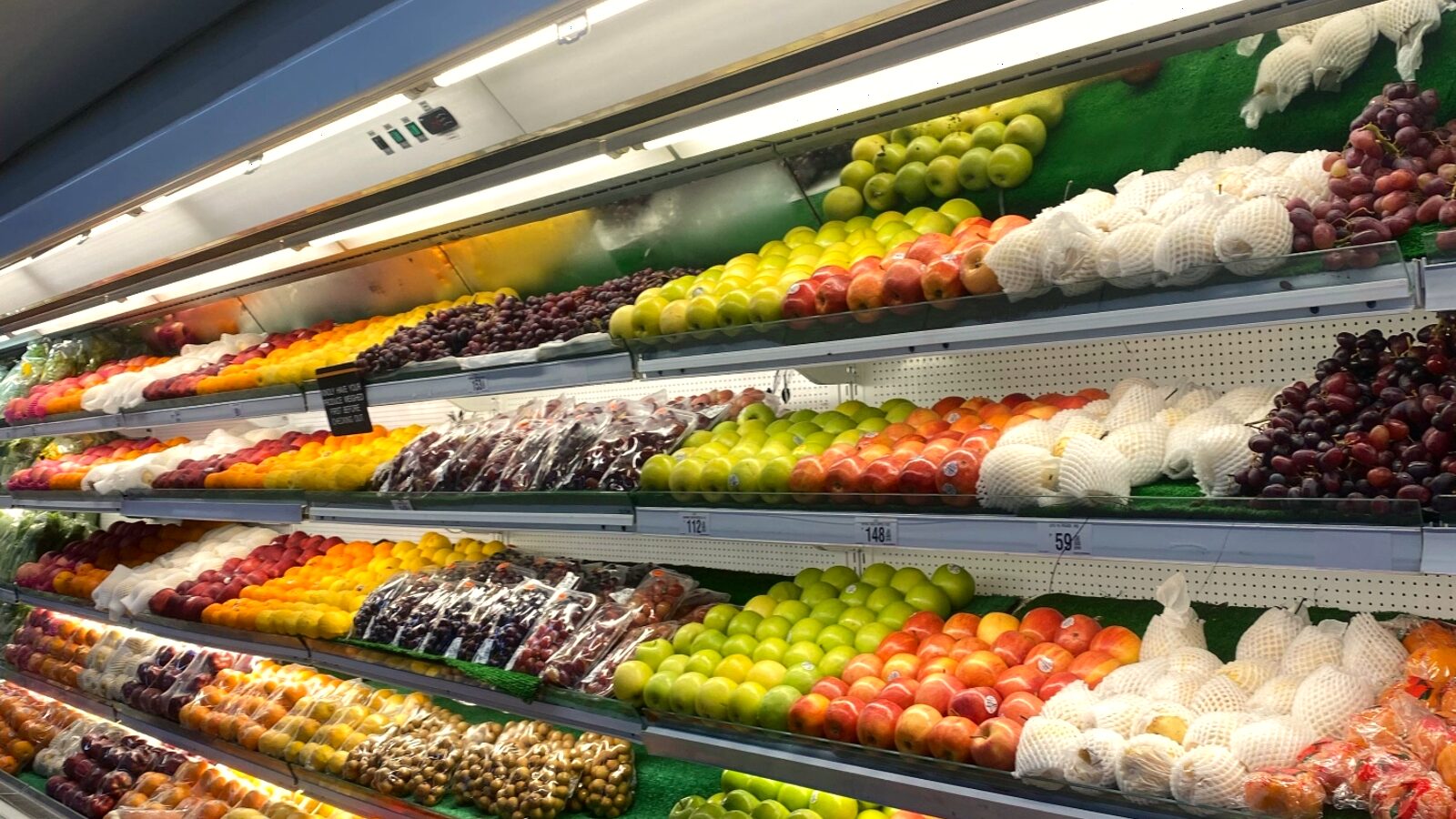
When mid-sized commercial farms exit, retailers backfill with imports. Romania already runs a €3.8B surplus on cereals but a €2.1B deficit on fruit and vegetables, and 70% of the tomatoes we eat are imported. Every insolvency wave deepens exactly that paradox: we export cheap raw material and import expensive finished food.
How the short chain helps, and what Croppo does
The short chain is not a romantic idea, it is arithmetic. When a farmer sells direct, they keep 90% of the final price instead of about 14%. On the same volume, a margin 6.4 times larger fixes the exact problem Infinexa flags: short-term liquidity. Farms do not need a bigger campaign loan, they need the money from a sale to stop sitting with intermediaries for 60 or 90 days.
Croppo connects farmers directly with buyers, takes a 10% commission and delivers on the short chain, meaning 75 km at most and one intermediary at most under the EU definition (details here). It does not replace retail, but it gives small and mid-sized farms, the layer now filing for insolvency by the dozen, a channel where five buyers do not set the farm-gate price.
Infinexa's analysts say the wave is not over: 2025 balance sheets are only being filed now, and several groups already have liquidity problems that have not reached the courts. The question is no longer whether a second wave follows, but how much of the added value stays in the country and who ends up with it. That answer depends in large part on the sales channel the surviving farmers choose.