If you opened a map of the European Union and marked every agricultural holding with a dot, one third of all the dots would cluster in a single country: Romania. The 2020 Agricultural Census published by Eurostat counted 8.7 million farms across the EU-27. Of those, 2.89 million, exactly 33.2%, are Romanian.
On numbers alone, that sounds like an agricultural superpower. The reality is far more nuanced. Romania does not have more farms because it produces more, it has more farms because its agricultural structure is radically different from any other country in the Union.
A country built from parcels
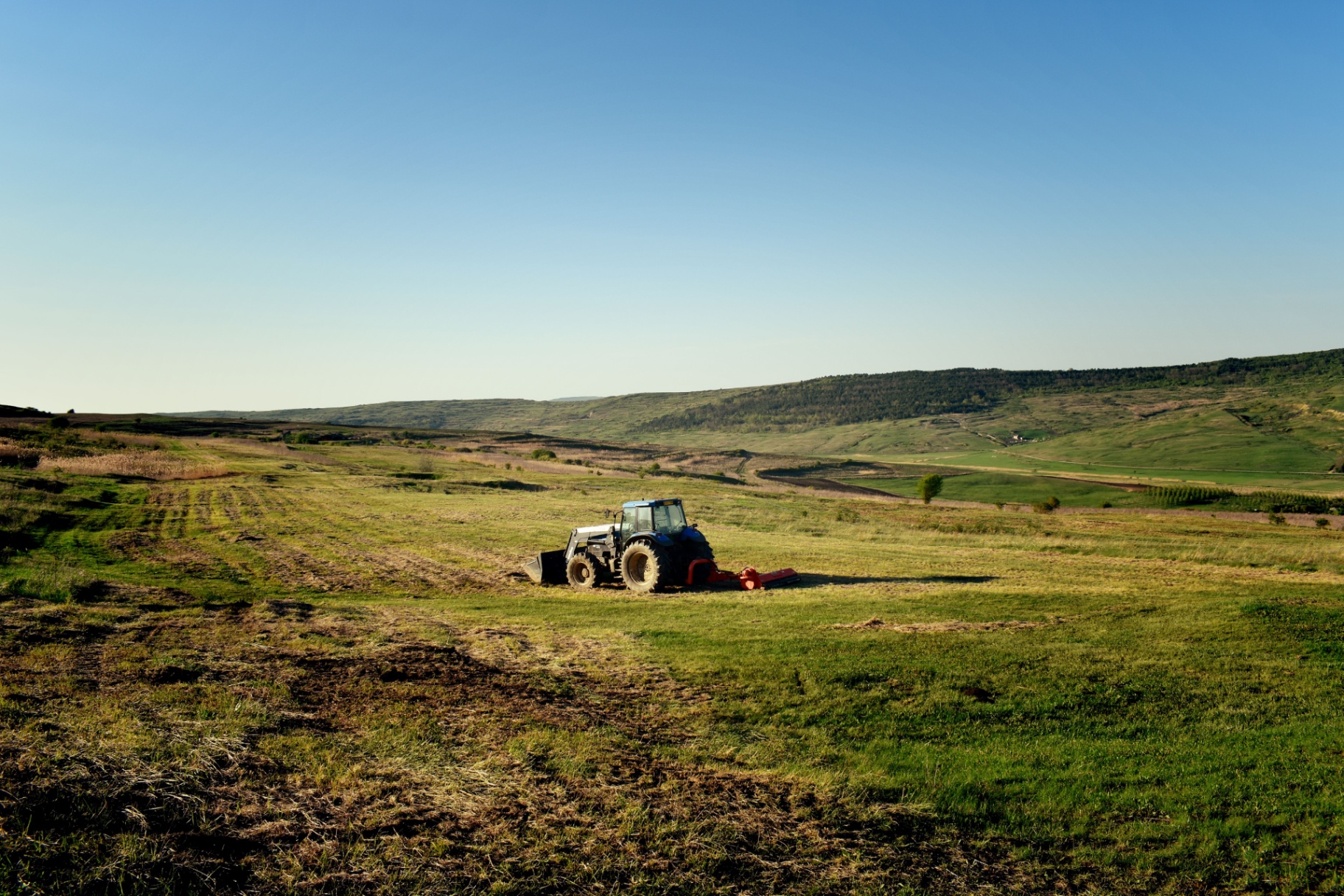
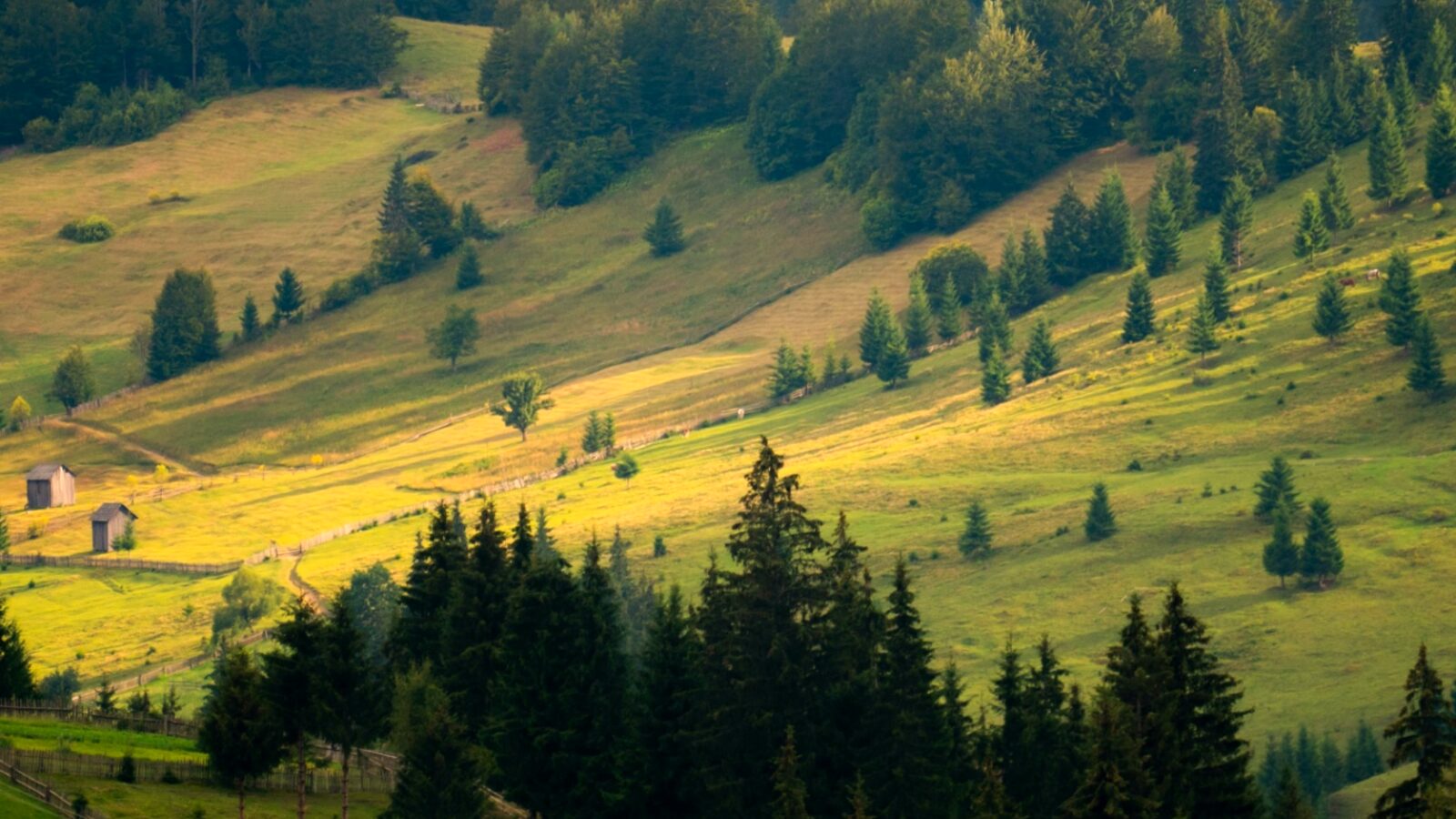
The average Romanian farm is 3.7 hectares. The EU average is 17.4 hectares, 4.7 times larger. In the Netherlands the average is 32 ha; in Germany 64 ha; in France 69 ha; in the Czech Republic, the most comparable post-communist neighbour, 130 ha. Romania is, by a wide margin, the most fragmented agriculture in the EU.
| Size | Farm count | % of total | % of utilised area |
|---|---|---|---|
| Under 1 ha | 1,582,000 | 54.7% | 5.1% |
| 1–5 ha | 1,078,000 | 37.3% | 18.4% |
| 5–20 ha | 176,000 | 6.1% | 13.8% |
| 20–100 ha | 42,000 | 1.5% | 13.2% |
| Over 100 ha | 12,000 | 0.4% | 49.5% |
The number worth reading twice is the last on the bottom row: 0.4% of farms hold nearly half the country's farmland. That is no coincidence. It is the direct legacy of two processes: post-1990 privatisation of former state and collective farms to large lessees, followed by two decades of consolidation through buying up small parcels.
Two parallel agricultures
Romania actually has two parallel agricultures that operate by entirely different rules.
The first is large-scale agriculture. Around 12,000 holdings over 100 ha, concentrated in the Bărăgan plain, Dobrogea, southern Moldova and the western Banat. They grow mostly wheat, maize, sunflower and rapeseed. They are mechanised, capture most CAP subsidies, and export to Egypt, Turkey and the rest of the EU. Per-hectare productivity is comparable to France or Germany.
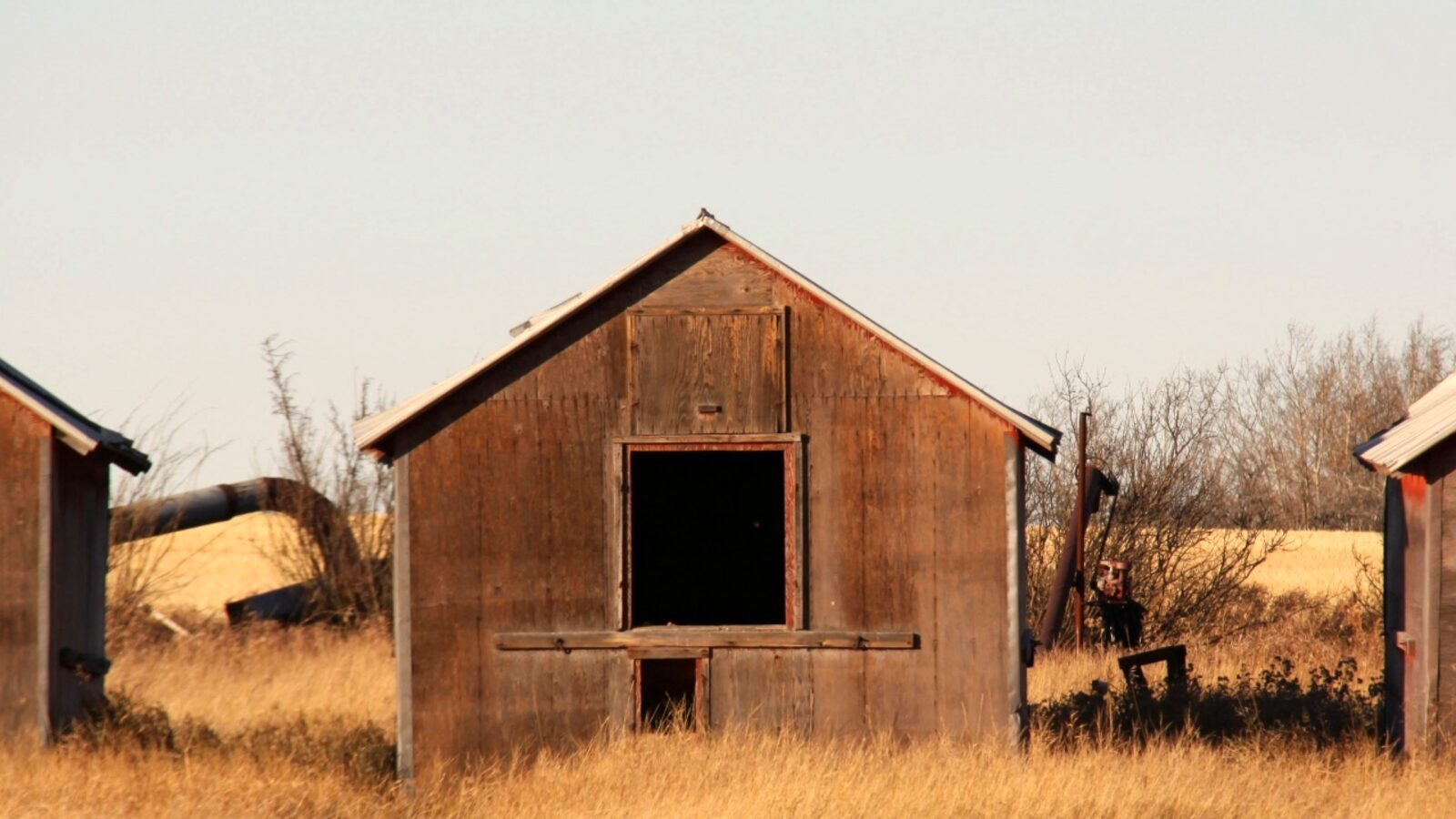
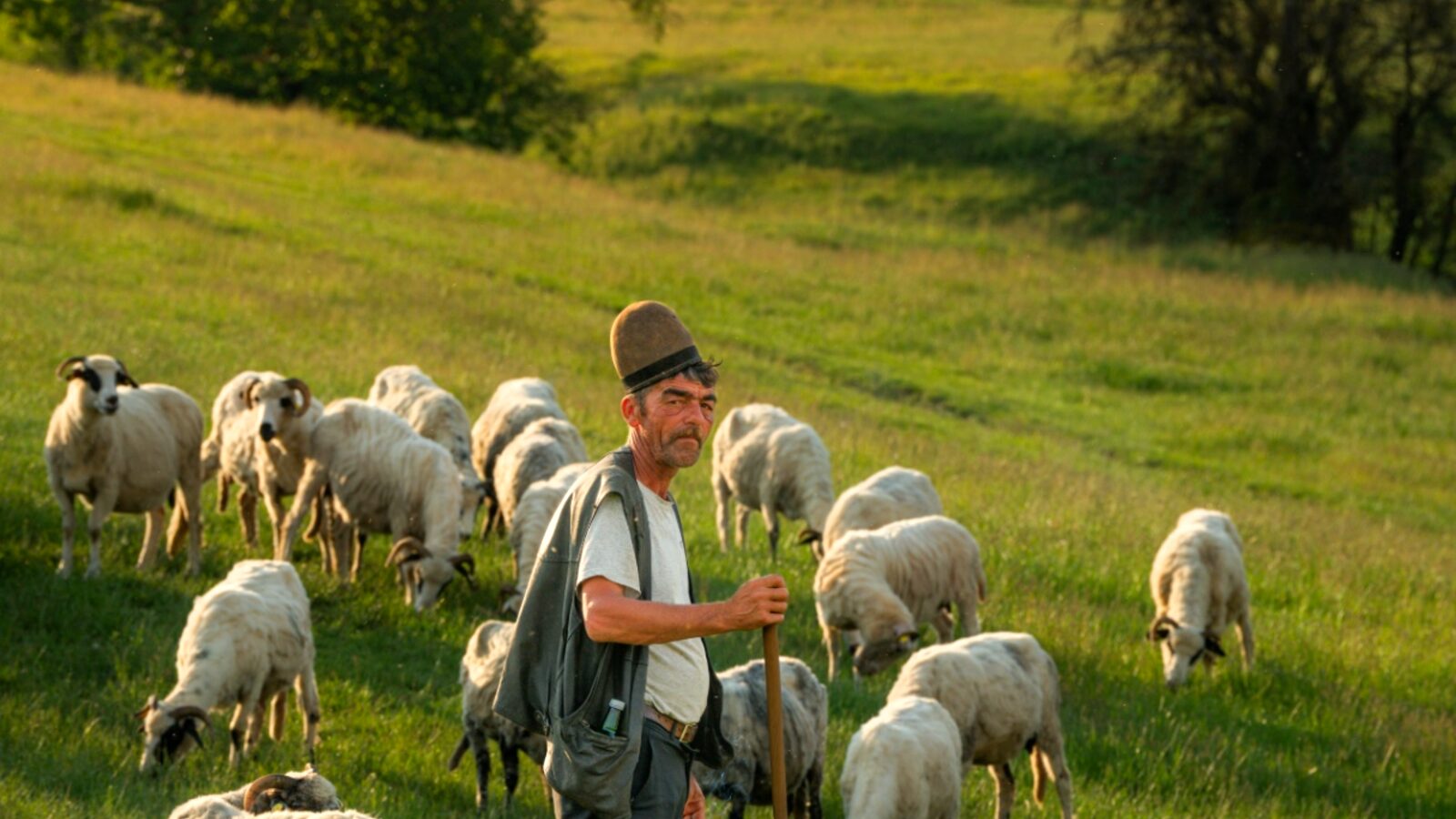
The second is subsistence and semi-subsistence farming. Millions of rural households producing vegetables, fruit, eggs, milk and meat, first for own consumption, then for the local market. Official statistics count them as 'farms', but economically they are largely invisible: they issue no invoices, report no production, receive no significant subsidies.
Who actually grows what you eat
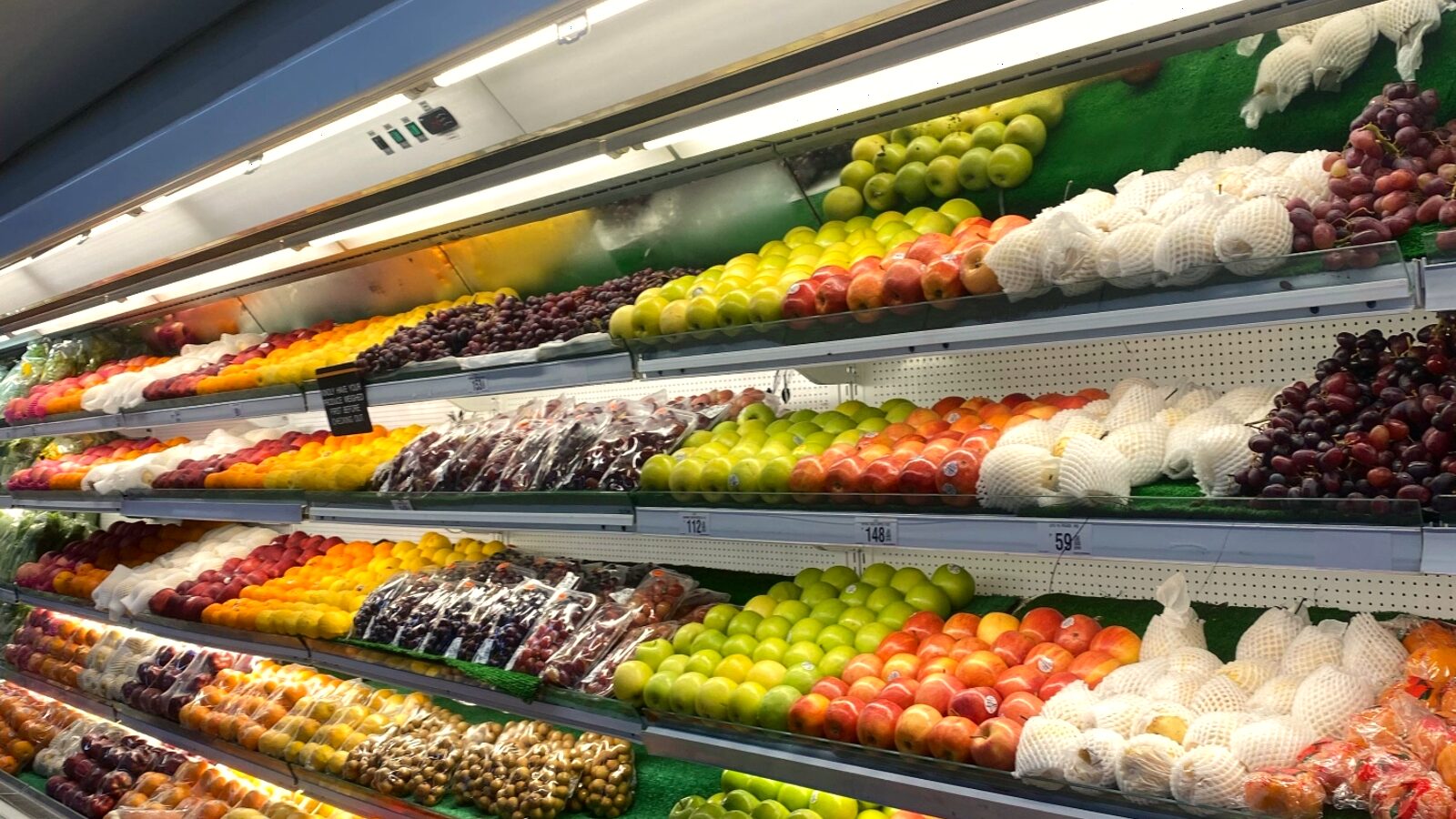
Here is the most surprising paradox in the entire structure: while large farms statistically dominate land area, small farmers dominate the fruit and vegetable shelves. Per INS and Ministry of Agriculture analyses, farms under 5 hectares produce over 70% of vegetables and 65% of fruit consumed in Romania.
| Category | Small-farm share | Large-farm share (>100 ha) |
|---|---|---|
| Cereals (wheat, maize) | 12% | 78% |
| Sunflower & rapeseed | 8% | 85% |
| Field vegetables | 73% | 9% |
| Orchard fruit | 65% | 11% |
| Cow milk | 61% | 14% |
| Eggs (small farm) | 52% | 32% |
| Honey | 94% | 1% |
That means: when you buy tomatoes, apples, melons, peppers, sheep-milk cheese or honey, in 6 out of 10 cases you are holding the product of a farm with less than 5 hectares. Until now, statistically and commercially, that farm has been invisible.
Regional profiles
Romania's agricultural map is not uniform. There are clear regional patterns shaped by terrain, climate and history.
| Region | Speciality | Avg. farm size |
|---|---|---|
| Bărăgan & Dobrogea | Cereals, sunflower, large estates | 62 ha |
| Banat & Crișana | Mixed, mechanised, active cooperatives | 12 ha |
| Central Transylvania | Dairy, wool, fruit, mid-sized farms | 5.8 ha |
| Northern Moldova | Orchards, vegetables, potatoes | 2.4 ha |
| Bucovina & Maramureș | Sheep dairy, forest fruit, cheese | 1.9 ha |
| Subcarpathians (Argeș, Vâlcea) | Intensive vegetables, cherries, plums | 2.2 ha |
This diversity is itself a major competitive advantage. A consumer in Bucharest is under 200 km from a vegetable farm in Vâlcea, under 250 km from a sheep dairy in Sibiu, under 300 km from a beekeeper in Buzău. No other major European city has so much productive diversity in such geographic proximity.
Why this is an opportunity, not a problem
Public discussion of fragmentation has been dominated for decades by one narrative: small farms are inefficient, they must be consolidated, the future is industrial agriculture. That narrative ignores reality observable in the Netherlands, Belgium, Italy: small farms are highly productive per hectare, especially in horticulture, they only need a market that aggregates their supply.
With 2.89 million small producers spread across the country, almost everyone in Romania lives within 30 km of an active farm. The problem is not supply, it is connection. A platform that aggregates demand from thousands of buyers and organises collection along optimised routes turns that dispersion from a logistics weakness into a major competitive advantage.
Methodology note
Numbers come from the Eurostat 2020 Farm Structure Survey and INS 2020 General Agricultural Census. Production-share percentages by category are aggregated from annual INS plant- and animal-production reports, supplemented with sectoral data from the Ministry of Agriculture. Regional average farm sizes are weighted by the number of holdings registered with APIA.